
 By
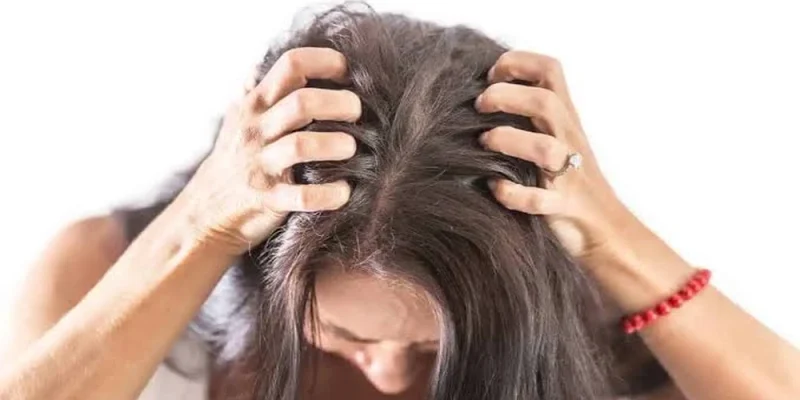
An uncomfortable feeling around the head can make ordinary daily activities difficult. Several factors may affect the condition of the skin beneath the hair. Lack of moisture is one common reason behind irritation. People searching for itchy scalp and no dandruff often wonder whether dryness is responsible for their discomfort. Understanding possible causes helps identify useful daily habits. Simple care methods can support healthier skin while reducing irritation. Paying attention to early signs also helps prevent unnecessary scratching and further discomfort.
What Causes Skin to Become Dry?
Insufficient natural moisture can leave the skin feeling tight. Environmental changes and unsuitable hair products may increase dryness.
How Does Moisture Loss Affect Skin?
When natural oils decrease, the outer skin layer loses protection. This can create irritation and an uncomfortable sensation.
Can Frequent Washing Increase Skin Dryness?
Washing too often may remove protective oils. Using gentle cleansing habits helps maintain natural moisture levels.
Does Hot Water Affect Skin Health?
Very warm water can remove essential oils. Lukewarm water offers a gentler option during regular washing.
Can Hair Products Trigger Unwanted Irritation?
Certain ingredients may cause reactions in sensitive individuals. Strong fragrances and harsh cleansers deserve careful attention.
Why Does Scratching Make Things Worse?
Repeated scratching can damage delicate skin. Small scratches may increase redness and create further irritation.
Can Weather Changes Influence Skin Moisture?
Cold air and low humidity can reduce moisture levels. Seasonal adjustments may help maintain healthier skin.
What Signs Suggest an Underlying Issue?
Persistent irritation may involve several possible causes. Observing additional changes can provide useful clues.
How Can Daily Habits Support Better Skin?
Small adjustments may help reduce unnecessary irritation. Consider these practical habits:
Choose gentle cleansing products that avoid strong fragrances or harsh ingredients.
Limit washing frequency when excessive cleansing leaves the skin feeling unusually tight.
Use lukewarm water instead of very hot water during regular hair washing.
Avoid scratching irritated areas because repeated friction can damage sensitive skin.
Maintain suitable indoor humidity to reduce moisture loss during colder periods.
Can Natural Oils Help Restore Moisture?
Some suitable oils may support surface hydration. However, individual reactions differ. Apply cautiously and discontinue anything that irritates.
When Should Persistent Irritation Receive Attention?
Ongoing discomfort deserves careful observation. People experiencing an itchy scalp and no dandruff should consider other possible triggers rather than assuming dryness alone.
Can Daily Grooming Choices Reduce Irritation?
Clean brushes and gentle handling may prevent unnecessary friction. Avoid excessive styling products that leave unwanted residue.
Why Is Identifying Triggers Important?
Recognising personal triggers makes daily care more effective. Keep track of products and habits that cause discomfort.
What Helps Maintain Long-Term Skin Balance?
Consistent cleansing and suitable moisture care can support healthier skin. Seek professional advice when symptoms continue or worsen. Choosing gentle products suited to individual skin types can help maintain hydration and reduce irritation. A balanced skincare routine, adequate water intake, and daily sun protection also contribute to maintaining skin health and improving its overall appearance over time.
Managing recurring irritation requires patience and sensible choices. Identifying possible triggers is an important starting point. Gentle cleansing habits and suitable moisture care may improve overall skin condition. Avoid harsh products that create further sensitivity. When discomfort remains unexplained or becomes severe, seek guidance from a qualified healthcare professional. A thoughtful routine can help protect delicate skin and support lasting scalp health. Additionally, maintaining consistent hygiene, choosing fragrance-free formulations, and avoiding excessive heat during washing may reduce unnecessary irritation. Regularly monitoring changes can also help identify patterns and guide appropriate adjustments to daily scalp care practices.





Comments