
 By

Healthy-looking skin is not necessarily the result of using more products. Sometimes, the most effective approach is to understand what your skin needs and build a routine around gentle, consistent care. Exfoliation is one part of that process because it helps remove dead skin cells that can contribute to a dull or uneven-looking complexion.
Microdermabrasion is a form of physical exfoliation designed to address the outermost layer of the skin. While professional treatments are available in dermatology offices and skincare clinics, at-home devices have made this type of exfoliation more accessible. However, using one requires an understanding of the technique, the device, and your individual skin needs.
If you are considering adding a dermabrasion tool to your skincare routine, it is important to learn how microdermabrasion works, what it can realistically do, and how to avoid unnecessary irritation.
What Is Microdermabrasion?
Microdermabrasion is a non-invasive exfoliation procedure that removes some of the dead cells from the outermost layer of the skin. Professional treatments generally use a handheld device to exfoliate the skin’s surface, helping improve the appearance of dullness, uneven texture, and certain types of discoloration.
The American Academy of Dermatology explains that microdermabrasion can help create a smoother and more even-looking complexion after a series of treatments. It is important to understand that professional procedures and at-home treatments are not identical. Professional treatments may reach deeper levels of exfoliation, depending on the equipment and technique used.
At-home devices are designed to offer a more convenient option for people who want to incorporate controlled exfoliation into their skincare routines. Their performance depends on the device, the attachments used, and whether the user follows the manufacturer’s instructions.
How Does an At-Home Microdermabrasion Device Work?
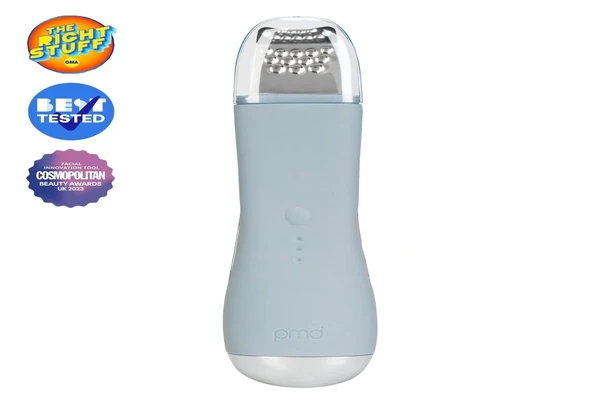
At-home microdermabrasion devices typically combine physical exfoliation with suction. Depending on the model, a rotating or textured disc moves across the skin while controlled vacuum suction helps lift away loosened surface debris.
For example, the PMD Personal Microderm uses spinning exfoliating discs and vacuum suction. The brand describes its technology as a way to remove dull surface cells and support a smoother-looking complexion. The device is intended for at-home use, but it still requires careful handling and attention to the recommended technique.
The two main functions serve different purposes:
Physical Exfoliation
The exfoliating disc makes contact with the skin and helps remove accumulated dead skin cells from its surface. This can make rough areas feel smoother and help improve the appearance of dullness.
The level of exfoliation depends on the disc and the pressure applied. A more aggressive approach is not automatically better. Using excessive pressure or repeatedly treating the same area can irritate the skin.
Vacuum Suction
Vacuum suction draws the skin gently toward the device opening as it moves across the treatment area. In a microdermabrasion device, suction works alongside the exfoliating surface.
Users should avoid holding the device in one place or allowing it to pull repeatedly on the same area. Following the manufacturer’s movement instructions is essential for a controlled treatment.
Potential Benefits of At-Home Microdermabrasion
Microdermabrasion may be useful for people who want to address certain surface-level skin concerns. Results vary, and no at-home device can guarantee a particular complexion or replace professional evaluation.
Some potential benefits include:
- Smoother-looking texture: Removing accumulated surface cells may help rough areas feel softer.
- Improved appearance of dullness: Exfoliation can reveal fresher-looking skin beneath the buildup of dead cells.
- More even-looking skin: Microdermabrasion may help improve the appearance of some mild surface irregularities.
- A consistent skincare routine: A suitable device can provide a structured exfoliation step when used according to its instructions.
- Convenience: At-home treatments can be performed without scheduling a professional appointment.
It is also important to keep expectations realistic. Microdermabrasion does not permanently remove wrinkles, cure acne, or eliminate every type of dark spot. Persistent pigmentation, scarring, and other skin concerns may require a dermatologist’s assessment.
How to Use an At-Home Microdermabrasion Device
The correct technique is just as important as choosing an appropriate device. Before the first treatment, read the manufacturer’s instructions and watch its official demonstration if one is available.
A careful routine generally involves the following steps:
1. Cleanse and Dry Your Skin
Begin with a gentle cleanser to remove makeup, sunscreen, oil, and everyday impurities. Rinse thoroughly and allow your face to dry completely before using the device.
Do not apply the device to damp skin unless the manufacturer specifically instructs you to do so.
2. Choose an Appropriate Exfoliating Disc
Many devices include different disc options for varying levels of exfoliation. Start with the gentlest recommended option rather than choosing a stronger attachment immediately.
If you are unfamiliar with the device, practice the movement on a less sensitive area, such as your arm or leg, when the manufacturer’s instructions recommend it.
3. Keep the Skin Taut
When treating an area, gently stretch the skin with your free hand if the device instructions recommend this technique. Keeping the surface taut can help the device move more smoothly.
Avoid pulling aggressively or applying unnecessary pressure.
4. Keep the Device Moving
Move the device in the direction and pattern recommended by its manufacturer. Use controlled movements and avoid stopping over one spot.
Do not repeatedly pass over the same section in an attempt to achieve stronger results. Overworking an area can cause redness, sensitivity, or irritation.
5. Complete Your Aftercare Routine
Once the treatment is finished, follow the device’s cleaning instructions. Apply a gentle moisturizer to support skin hydration and use broad-spectrum sunscreen during the day.
Avoid introducing several new active skincare products immediately after exfoliation. Keeping the routine simple can make it easier to notice how your skin responds.
Who Should Be Careful With Microdermabrasion?
Not every skin type or condition is suitable for mechanical exfoliation. People with sensitive, irritated, or acne-prone skin may experience increased redness or discomfort when using physical exfoliation methods.
The American Academy of Dermatology advises choosing an exfoliation method based on skin type and avoiding exfoliation on sunburned skin, open cuts, or wounds. People who develop dark marks after irritation or injury should also be cautious because aggressive exfoliation may worsen pigmentation.
Speak with a qualified dermatologist before using an at-home microdermabrasion device if you:
- Have active skin irritation, broken skin, or a sunburn.
- Experience frequent inflammatory acne or significant skin sensitivity.
- Have a skin condition that is being treated by a medical professional.
- Are taking or have recently taken isotretinoin.
- Have a changing, bleeding, or unusual spot that has not been evaluated.
- Develop dark marks after minor skin injuries or inflammation.
A dermatologist can help determine whether microdermabrasion is appropriate and recommend a safer alternative when necessary.
How Often Should You Exfoliate?
There is no single exfoliation schedule that works for everyone. The appropriate frequency depends on the device, the intensity of treatment, and how your skin responds.
Some at-home microdermabrasion devices recommend approximately weekly use, but users should follow the instructions for their specific model rather than applying a general schedule to every product.
Watch for signs that your routine may be too aggressive. Persistent redness, burning, tightness, peeling, or unusual sensitivity are reasons to stop treatment and reassess your skincare routine. If symptoms continue, consult a dermatologist.
More frequent exfoliation does not necessarily produce better results. Allowing your skin time to recover is an important part of responsible skincare.
Building a Skincare Routine Around Microdermabrasion
Microdermabrasion should be one part of a balanced routine rather than the center of every skincare decision. Daily cleansing, moisturizing, and sun protection remain essential.
On treatment days, keep your routine uncomplicated. A gentle cleanser before exfoliation and a moisturizer afterward are sensible starting points. During the day, use broad-spectrum sunscreen with SPF 30 or higher.
Consider avoiding other potentially irritating exfoliating products or strong active ingredients around the time of treatment unless a dermatologist or the device manufacturer advises otherwise. Combining multiple exfoliation methods can increase the chance of irritation.
Consistency also matters more than intensity. A routine that respects your skin’s tolerance is generally more sustainable than frequently changing products or increasing treatment strength. Also Read Wardrobe Essentials That Help You Look Amazing
Choosing the Right At-Home Device
Before purchasing a microdermabrasion device, look beyond marketing claims. Consider how the device works, what attachments are included, whether its instructions are easy to understand, and how it should be cleaned and maintained.
A few practical questions can help guide your decision:
- Does the device provide clear instructions for first-time users?
- Are different exfoliating disc strengths available?
- Can you find guidance on cleaning and replacing the attachments?
- Does the manufacturer explain how frequently the device should be used?
- Is customer support or product information readily available?
The PMD Personal Microderm range is one option for people researching at-home exfoliation devices. Its Personal Microderm model combines spinning discs with vacuum suction and includes guidance on preparation, treatment movements, and cleaning. Review the product specifications and instructions carefully before deciding whether it fits your skincare needs.
Final Thoughts
At-home microdermabrasion can be a useful addition to a skincare routine for people who want to address surface-level dullness and uneven texture. However, the best results begin with realistic expectations, an appropriate device, and careful technique.
Start gently, follow the manufacturer’s instructions, and avoid treating irritated or compromised skin. Most importantly, remember that exfoliation is only one part of skin health. Gentle cleansing, regular moisturizing, and daily sun protection remain the foundation of a balanced routine.
For persistent skin concerns or uncertainty about whether microdermabrasion is suitable for you, seek advice from a board-certified dermatologist before beginning treatment.





Comments